

Cart
0
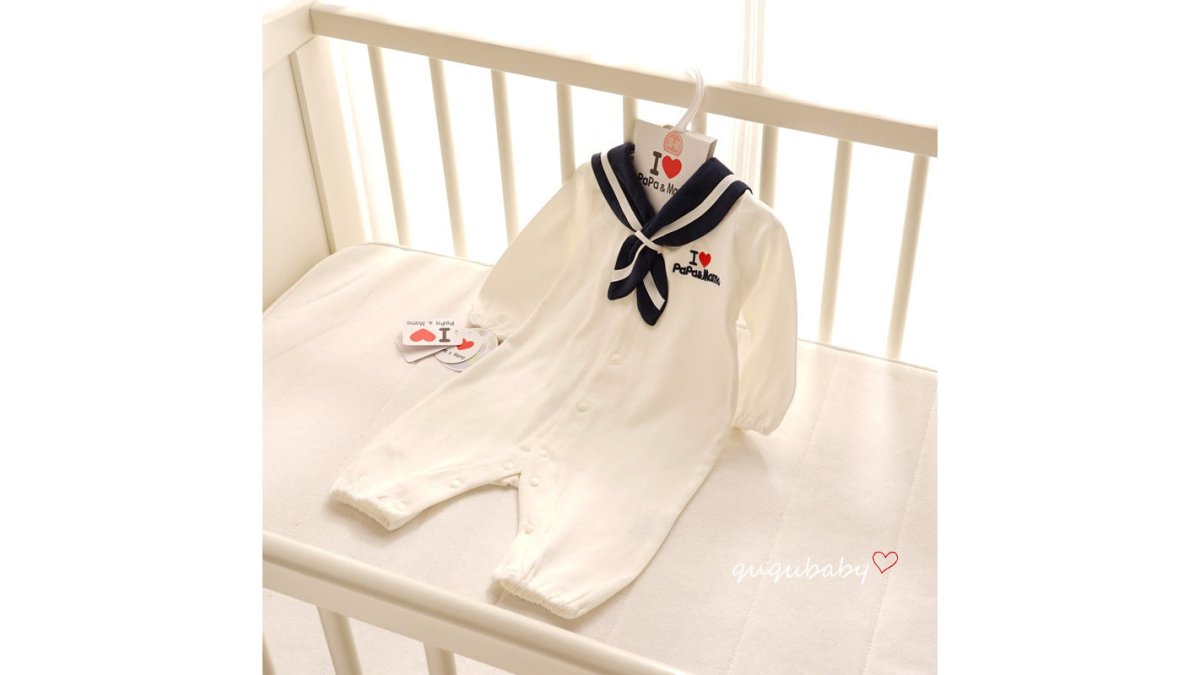
Table of Contents
- What Baby Clothes Are Best for Sensitive Skin: The Short Answer
- The Best Fabric for Baby Clothes With Sensitive Skin
- Cotton vs. Bamboo Baby Clothes: Which One Wins?
- Baby Clothes for Eczema: What to Look For
- How to Wash Baby Clothes for Sensitive Skin
- Features That Irritate Skin: What to Avoid
- Choosing Skin-Friendly Baby Clothes by Season
- Conclusion: Building a Sensitive-Skin Wardrobe
- Frequently Asked Questions
Last Updated: October 16, 2026
What Baby Clothes Are Best for Sensitive Skin: The Short Answer
The best baby clothes sensitive skin parents can rely on are made from smooth, breathable natural fibers, most often cotton, with flat seams, no scratchy tags, and a loose fit that lets air move. That single combination solves most irritation problems before they start. This guide from Little Madi Co. walks through which fabrics help, which ones to skip, and how to wash what you buy.
If your baby's skin flares up after dressing, the fabric touching it matters more than the style. Dermatologists and pediatric guidance consistently point to soft, breathable materials and gentle laundering as the two biggest levers parents control. We'll show you how to use both.
Here's what most guides get wrong: they treat "sensitive skin" as one problem. It isn't. Friction, heat, moisture, and chemical residue each cause different reactions, and each has a different fix.
The Best Fabric for Baby Clothes With Sensitive Skin
Cotton is the best default fabric for baby clothes sensitive skin needs because it is soft, breathable, and absorbs moisture without trapping heat. But "best" depends on the baby and the conditions, so it helps to compare the fibers you will actually see on labels: cotton, bamboo-derived rayon or viscose, TENCEL lyocell, linen, silk, and merino wool.
Here is how they compare on the traits that matter for reactive skin:
| Fiber | Breathability | Moisture handling | Softness over time | Care | Potential irritation notes |
|---|---|---|---|---|---|
| Cotton | High | Absorbs well | Holds softness | Easy, machine washable | Low; a long-standing first choice |
| Bamboo-derived rayon/viscose | High | Wicks quickly | Very soft, can pill | Gentle cycle, air dry | Low, but processing is chemical |
| TENCEL lyocell | High | Wicks and dries fast | Stays smooth | Gentle cycle | Low; closed-loop processing |
| Linen | Very high | Absorbs and dries fast | Softens with washing | Wrinkles, needs care | Can feel rough when new |
| Silk | Moderate | Absorbs, feels cool | Delicate | Hand wash or gentle | Occasional sensitivity to sericin |
| Merino wool | High | Manages moisture well | Soft, fine grades | Special care | Some babies react to lanolin or coarse fibers |
A few mechanisms explain why these fibers behave differently. Cotton fibers are hollow and absorb water into the fiber itself, so sweat moves away from skin instead of sitting on it. Bamboo-derived rayon and TENCEL are regenerated cellulose, spun into smooth filaments that wick quickly and feel cool. Linen is a bast fiber with natural air channels, which is why it feels crisp and dries fast.

Synthetic fabrics like polyester, nylon, and acrylic are the ones to watch. They can trap heat and moisture against skin, which is the environment that aggravates eczema-prone skin. A brushed polyester sleeper may feel plush in the store and scratchy after a few washes, while cotton and lyocell tend to hold their softness.
A common mistake is buying "soft" fabric without checking the fiber content. Read the label, not the marketing. If a garment does not state its fiber, treat that as a reason to keep looking.
Pro Tip
Wash any new baby garment before the first wear. Manufacturing residues and fabric finishes sit on new clothes, and a single pre-wash removes most of what triggers reactions.
If you want a single rule: start with cotton, try bamboo-derived or TENCEL for warm weather, and only move to linen, silk, or merino once you know your baby tolerates them.
Cotton vs. Bamboo Baby Clothes: Which One Wins?
Cotton wins for most babies, but bamboo-derived fabric is a strong second for warmth and drape. The catch is labeling: most "bamboo" baby clothes are bamboo rayon or viscose, a regenerated cellulose fiber, not raw bamboo fiber.
That distinction matters. Bamboo rayon is soft and moisture-wicking, and many parents find it gentler on delicate skin than standard cotton. But the processing is chemical, so if your priority is a natural fiber with minimal processing, cotton is the safer pick.
Here's how the two compare in practice:
| Feature | Cotton | Bamboo-derived (rayon/viscose) |
|---|---|---|
| Breathability | High | High |
| Moisture handling | Absorbs well | Wicks quickly |
| Softness | Soft, holds up | Very soft, silky |
| Labeling clarity | Straightforward | Often misleading |
| Best for | Everyday wear | Warm-weather layering |
If you want the feel of bamboo, look for garments that state the fiber honestly. Our Baby Bamboo Fiber Clothes Spring uses regenerated cellulose fiber and comes in sizes from newborn through 18 months.
Watch Out
Don't assume "bamboo" means unprocessed. If the label says rayon or viscose, it went through chemical processing. That's not automatically bad, but it isn't the natural fiber the marketing implies.
Baby Clothes for Eczema: What to Look For
For babies with eczema, prioritize smooth natural fibers, flat seams, tag-free necks, and a loose fit. Tight clothing rubs, and friction is one of the most common triggers for a flare-up.
The features that matter most:
- Flat or seamless construction so nothing presses into skin
- Tag-free necklines to remove the scratch point at the back
- Loose fit at the waist, wrists, and ankles
- Fewer dyes and finishes, favoring undyed or naturally colored options
- Breathable fabric that keeps skin from overheating
Overheating and sweating are underrated triggers. A baby dressed too warmly in a synthetic sleeper will sweat, and that moisture sitting against skin can set off irritation. Layering with breathable pieces beats one heavy garment.
One more thing worth knowing: not every rash is caused by clothing. If irritation appears on the face, hands, or areas no fabric touches, or if it spreads despite switching to cotton, that points to something else. Talk to your pediatrician before assuming the wardrobe is the culprit.
How to Wash Baby Clothes for Sensitive Skin
Wash baby clothes with a fragrance-free, dye-free detergent, skip fabric softener entirely, and use an extra rinse cycle. Those three steps remove the most common chemical irritants left on fabric.
Fabric softener is the biggest offender. It coats fibers with a waxy film that traps residue against skin, and it's a frequent trigger for reactions in babies prone to irritation. Skip it.
A simple routine that works:
Navy Style Baby Clothes Newborn Clothes Baby Onesies →
- Sort new and worn items separately for the first wash
- Use a gentle, fragrance-free detergent, and use less than the label suggests
- Run an extra rinse cycle to flush out residue
- Skip dryer sheets, which carry the same perfumes as softener
- Wash before first wear, every time
Key Takeaway
The single most effective change most parents can make is dropping fabric softener and dryer sheets. Fragrance-free detergent plus an extra rinse removes the residue that softener leaves behind.
Features That Irritate Skin: What to Avoid
The biggest irritants in baby clothing are scratchy tags, rough seams, tight elastic, heavy dyes, and chemical finishes. Each one creates friction or leaves residue against delicate skin.
Watch for these:
- Plastic or stiff tags at the neck and side seams
- Bulky overlock seams that press into the skin
- Tight cuffs and waistbands that leave marks
- Strongly dyed or heavily printed fabrics, especially on the inside
- "Wrinkle-free" or "stain-resistant" finishes, which add chemical treatments
A common mistake is assuming a higher price means a gentler garment. Price reflects brand and design, not fabric safety. Read the fiber content and check for a safety class rating instead.
Choosing Skin-Friendly Baby Clothes by Season
Match fabric weight to the season and layer rather than over-dress. Breathable cotton works year-round; heavier cotton, bamboo-derived, or TENCEL layers handle cooler months without trapping heat the way synthetics do.
Hot and humid. Choose thin, short-sleeved cotton or TENCEL pieces and avoid heavy prints against the skin. Humidity slows evaporation, so quick-drying fibers matter more than thickness. Change a damp onesie promptly rather than letting it dry on the baby.
Hot and dry. Cotton and linen both work well. Linen's air channels help it feel cool, though it can feel rough when new, so wash it a few times before first wear.
Cold. Layer a cotton base under a warmer outer piece so you can remove a layer when your baby warms up.
Changing conditions. A thin cotton base plus a removable mid-layer handles most swings. The rule is simple: if your baby's neck or back feels sweaty, remove a layer. Overheating is easier to prevent than to fix.
Beyond fabric, learn to read the care label and any certification claims. Fiber content tells you what the garment is made of; care instructions tell you how to keep it soft.
- Fiber content, look for a clear percentage, not just a marketing name.
- Care instructions, gentle cycles and low heat preserve softness and reduce pilling.
- Dyes and finishes, undyed or naturally colored options reduce chemical exposure.
- Construction, flat seams, tag-free necks, and a loose fit matter as much as fiber.
[Our Cotton Baby Onesie Pajama Outfit is 100% cotton with a Class A safety rating](/products/baby-clothes-cotton-baby-onesies-newborn-clothes-spring-and-autumn-pajamas), built for spring and autumn layering. For cooler days, a cotton romper worn over a thin base keeps skin covered without overheating.

Key Takeaway
Seasonal dressing is less about buying different fabrics and more about layering breathable ones. Read the fiber label, keep the base layer thin, and remove a layer at the first sign of sweat.
Conclusion: Building a Sensitive-Skin Wardrobe
Building a wardrobe for sensitive skin comes down to a short checklist: high-cotton or bamboo-derived fabric, flat seams, no tags, a loose fit, and a fragrance-free wash routine. Get those right and most irritation problems disappear.
At Little Madi Co., we curate baby essentials with comfort and safety in mind, from Class A cotton onesies to soft bamboo pieces that grow with your baby. Every item is chosen to make daily dressing simpler and gentler on delicate skin.
Ready to build a wardrobe your baby's skin will thank you for? Shop now and find the soft, breathable essentials that fit your family's routine.
Frequently Asked Questions
What clothing material is best for sensitive skin?
Soft, breathable natural fibers are the best choice for babies with sensitive skin. Cotton, especially organic cotton, is hypoallergenic and gentle. Bamboo-derived fabrics like viscose and TENCEL are also soft and moisture-wicking. Look for tight-knit fabrics that block irritants and always choose tag-free, flat-seam designs. Avoid synthetic fabrics like polyester, which trap heat and can cause friction. Wash new clothes before wearing them to remove chemical finishes and dyes.
Is 100% cotton or bamboo better for babies?
Both have strengths. Cotton is durable, breathable, and hypoallergenic, making it a reliable everyday choice for baby clothes sensitive skin needs. Bamboo fabric is softer and more moisture-wicking, which helps with temperature regulation and sweating. However, most bamboo clothing is bamboo rayon or viscose, a processed fiber. For babies with eczema, cotton offers consistent breathability, while bamboo provides extra softness. You can use both, depending on the season and your baby's comfort.
What should babies with eczema wear?
Babies with eczema should wear loose-fitting, 100% cotton clothing with flat seams and no tags. Avoid wool, synthetic fabrics, and rough textures that cause friction. Dress them in layers so you can adjust for temperature and prevent overheating. Use fragrance-free detergent and skip fabric softener. Little Madi Co.'s cotton onesies and rompers, like the Cotton Baby Onesie Pajama Outfit ($27.96), are designed with sensitive skin in mind. Always wash new clothes before wearing.
How should I wash baby clothes to avoid skin irritation?
Wash new baby clothes before first wear to remove dyes and chemical finishes. Use a fragrance-free, dye-free laundry detergent. Skip fabric softener and dryer sheets, which leave irritating residues. Wash in warm water on a gentle cycle, and double-rinse if your baby has eczema. Separate baby clothes from heavily soiled adult laundry. Dry on low heat or air-dry. If irritation persists, try a detergent labeled for sensitive skin.
Are organic cotton clothes better for babies with sensitive skin?
Organic cotton is grown without synthetic pesticides, and it is processed without harsh chemical finishes, which reduces potential irritants. For babies with eczema-prone skin, organic cotton can be a gentler option. However, regular cotton that is OEKO-TEX certified also meets strict safety standards for harmful substances. The most important factors are softness, breathability, and proper washing. Look for certifications like OEKO-TEX Standard 100 or GOTS when choosing baby clothes.
How do I know if my baby's clothes are causing a rash?
If a rash appears in areas where clothing touches the skin, such as the neck, waist, or underarms, clothing may be the cause. Check for tight elastic, rough seams, or tags. Switch to soft, loose cotton clothing and wash with fragrance-free detergent. If the rash improves within a few days, clothing was likely the trigger. If it persists or spreads, consult your pediatrician. Other causes include heat rash, eczema flare-ups, or contact dermatitis from dyes.

