

Cart
0
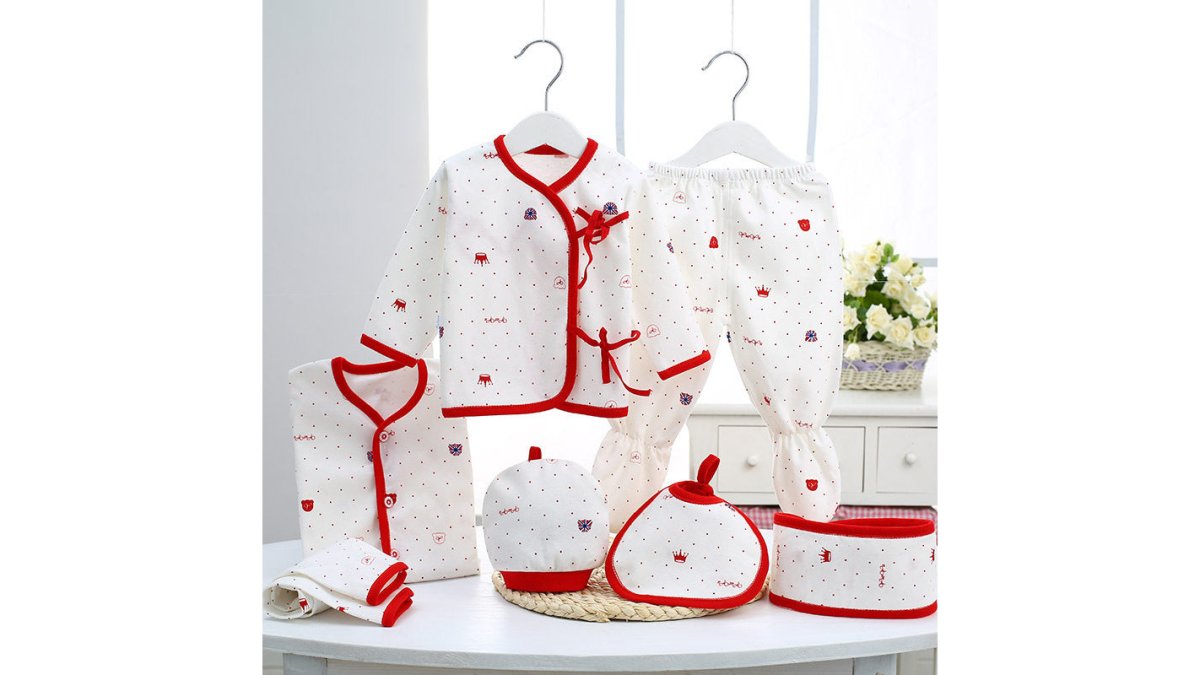
Table of Contents
- Quick Comparison: Newborn Clothing Essentials at a Glance
- The Newborn Clothing Checklist Every First-Time Mom Needs
- How Many Newborn Clothes Do I Need? Realistic Quantities
- Newborn Clothing Sizes: Newborn vs 0-3 Months
- What to Pack for Baby Coming Home
- Fabric, Fasteners, and Safe Sleep Clothing
- Where to Buy: Little Madi Co. Essentials and Pricing
- Conclusion
- Frequently Asked Questions
Last Updated: October 19, 2026
Quick Comparison: Newborn Clothing Essentials at a Glance
Newborn clothing is the layer between your baby and the world for those first hazy weeks, and getting it right matters more than most first-time moms expect. At Little Madi Co., we've watched enough parents shop to know the pattern: too many outfits, too few of the pieces that actually get used.
Here's the short version before we get into quantities and sizing:
| Item | How Many | Why It Matters |
|---|---|---|
| Bodysuits/onesies | 6-8 | Base layer for every outfit |
| Sleepers | 4-6 | Nighttime and day naps |
| Hats | 2-3 | Heat retention after birth |
| Socks | 4-6 pairs | Feet stay warm during feeds |
| Mittens | 2-3 pairs | Scratch protection |
| Swaddle blankets | 2-3 | Safe sleep and comfort |
| Going-home outfit | 1 | Photos and the car ride |
That's the whole wardrobe. Everything below explains how to choose each piece, how many you really need, and where new parents overspend.
The Newborn Clothing Checklist Every First-Time Mom Needs
A newborn clothing checklist is a short list of the garments your baby will wear in the first three months, organized by function rather than style.
New parents often buy twelve outfits and use four. Babies live in sleepers and bodysuits for the first month, so build the wardrobe around those two categories first.

Bodysuits, Onesies, and Sleepers
Bodysuits and onesies form the base layer. Look for envelope shoulders, which let you pull the garment down over the body during a diaper blowout instead of over the head. Side-snap styles help in the first weeks before the umbilical stump heals.
Sleepers cover the legs and usually zip or snap from ankle to neck. Zippers beat snaps at 2 a.m. Footed sleepers remove the need for socks overnight.
Hats, Socks, Mittens, and Layers
Hats help newborns hold heat in the hours after birth. A soft cotton cap is enough indoors; save heavier beanies for cold-weather outings.
Socks and mittens go missing constantly, so buy a few extra pairs. Mittens protect the face from tiny fingernails. Cardigans and light layers add warmth without full outfit changes.
Pro Tip
Buy mittens in one color so you can match a stray one in the laundry basket without hunting for a pair.
How Many Newborn Clothes Do I Need? Realistic Quantities
Most newborns need six to eight bodysuits, four to six sleepers, four to six pairs of socks, two to three hats, and two to three swaddle blankets.
The number that surprises new parents is the daily change count. Between spit-up, leaks, and milk spills, many babies go through two or three outfits a day in the early weeks. Some go through four.
Laundry Frequency and Wardrobe Planning
Translate the counts above into scenarios based on your actual laundry access:
- Laundry every other day: six bodysuits, four sleepers, and four pairs of socks is plenty. You will rarely run out.
- Laundry twice a week: buy toward the top of every range, eight bodysuits, six sleepers, six pairs of socks, plus one extra swaddle.
- Laundry once a week or shared machines: add two bodysuits and two sleepers beyond the top of the range. A backup stash of three extra bodysuits in a diaper bag or closet saves a midnight panic.
A common pattern among first-time parents is buying twelve outfits and using four. Babies live in sleepers and bodysuits for the first month, so weight your budget toward those two categories and treat everything else as a small supplement.
Season and Climate Adjustments
One-size-fits-all quantities fail in extreme weather. Adjust the base list like this:
- Hot weather (summer arrival, no central air conditioning): lean on short-sleeve bodysuits, eight to ten, and skip footed sleepers during the day. A single cotton layer is often enough indoors. Keep two light swaddles for sleep and one light hat for outings, not for indoor wear.
- Cold weather (winter arrival, drafty home): add two footed sleepers and two long-sleeve bodysuits to the base list. Layer a bodysuit under a sleeper rather than buying thicker single garments. Keep two hats, one soft cotton for indoors, one heavier beanie for outings, and two pairs of socks beyond the base range.
- Changeable weather (spring or fall arrival): the base list works, but add two light cardigans or zip-up layers you can add and remove through the day. Two extra pairs of socks cover the wet-sock problem on rainy days.
Sizing and When to Buy Newborn vs. 0-3 Months
Newborn size fits most babies up to about 8 to 10 pounds, while 0-3 months fits roughly 8 to 12 pounds.
Check each brand's size chart before ordering, because sizing varies between manufacturers. If your baby measures between two sizes, size up. Avoid overbuying in newborn sizing: a stack of unworn newborn outfits is the most common regret we hear from parents.
Watch Out
Washing everything before birth in newborn size only means you may have nothing that fits by week three. Wash a few newborn pieces and leave the 0-3 month tags on until you need them.
Key Takeaway
Build your base wardrobe from the middle of each range, then adjust up or down based on your laundry schedule and your baby's arrival season. That covers the first three months without a single wasted purchase.
Newborn Clothing Sizes: Newborn vs 0-3 Months
Newborn size fits most babies up to about 8 to 10 pounds, while 0-3 months fits roughly 8 to 12 pounds. Buy a small amount of newborn size and more in 0-3 months, since many babies skip straight past newborn within weeks.
Pure Cotton Newborn Baby Gift Set →
Check each brand's size chart before ordering, because sizing varies between manufacturers. If your baby measures between two sizes, size up.
What to Pack for Baby Coming Home
Pack one going-home outfit, one hat, one pair of socks, a swaddle blanket, and a car seat cover for the ride. Choose a soft cotton outfit that opens flat, since dressing a newborn in a car seat is easier with snaps or a zip than with a pullover.
Keep the going-home bag light. Hospital staff handle most of the baby's needs during the stay, so you mainly need the outfit for discharge day and photos.
Fabric, Fasteners, and Safe Sleep Clothing
Cotton is the standard choice for newborn clothing because it breathes and washes well. Look for Class A safety labeling on infant garments, and check that snaps and zippers are smooth against the skin. But fabric and fasteners matter most when they intersect with sleep safety, the area where first-time parents get the least concrete guidance.
Fabric Comparisons
- 100% cotton: breathable, washes well, softens with use. Best for base layers and sleepwear in most climates. Shrinks slightly unless pre-washed.
- Cotton blends (cotton-polyester): hold shape and resist shrinking, but breathe less than pure cotton. Fine for outer layers, less ideal against the skin in hot weather.
- Bamboo or modal: very soft and moisture-wicking, but often pricier and less durable through frequent washing. A reasonable splurge for sleepers, not for the whole wardrobe.
Fastener Trade-offs
Fastener choice matters more than most guides admit. Zippers are fastest for night changes, snaps are gentler near the umbilical stump, and magnetic closures sit flat but cost more. A practical pattern: zippers for sleepers, snaps for bodysuits in the first weeks, and magnetic closures only if you value speed over price.

Safe Sleep Clothing and Temperature Guidance
Dress your baby in one more layer than you're wearing in the same room. For sleep, follow safe sleep guidance from the American Academy of Pediatrics safe sleep recommendations: no loose blankets, pillows, or bumpers in the crib. Use a swaddle or sleep sack instead of a loose blanket for sleep.
A few concrete rules that prevent the most common mistakes:
- Swaddle only until signs of rolling. Once your baby shows signs of rolling over, often around two to three months, stop swaddling and switch to a sleep sack with arms free.
- Check the back of the neck, not the hands. Hands and feet run cool naturally; the neck and torso tell you whether your baby is too warm or too cold.
- Avoid overdressing for sleep. A single cotton bodysuit under a sleep sack is often enough in a heated home. In summer, a single cotton bodysuit is often enough. In winter, add a sleeper and a light layer.
Watch Out
Loose blankets, pillows, bumpers, and weighted sleep products are not safe for infant sleep. If a product claims to make sleep "deeper" or "longer," check it against current safe-sleep guidance before buying.
Key Takeaway
Choose breathable cotton for sleepwear, use a swaddle or sleep sack instead of a loose blanket, and judge temperature by the back of the neck. Those three habits cover most of what first-time parents need to know about safe sleep clothing.
Where to Buy: Little Madi Co. Essentials and Pricing
Little Madi Co. carries a focused range of newborn clothing essentials at prices that make building a full wardrobe simple. Here's how our pieces fit into the checklist above:
| Product | Price | Best For |
|---|---|---|
| Solid Color Baby Onesie Pajamas | $16.29 | Everyday base layer |
| Newborn Clothes Baby Monk Clothes | $20.76 | Easy diaper changes |
| Navy Style Baby Onesies | $29.30 | Seasonal cotton options |
| Cotton Baby Onesie Pajama Outfit | $27.96 | Soft 100% cotton sleepwear |
| Baby Swaddle Blanket | $22.32 | Safe sleep swaddling |
| Baby Socks | $8.09 | Breathable cotton socks |
| Baby Turban Hat | $7.84 | Soft knit cap |
| Pure Cotton Newborn Gift Set | $20.78 | Starter bundle for gifting |
| Baby Cotton Clothing Gift Set | $84.47 | Full wardrobe in one box |
Many parents ask whether a smaller brand is worth trusting over a big-box store. Our answer is simple: we curate a short list of cotton essentials, so you're not sorting through fifty styles to find a basic onesie.


Key Takeaway
Build your newborn wardrobe from the table above, then add one seasonal layer. That covers the first three months without a single wasted purchase.
Conclusion
The hardest part of newborn clothing isn't finding cute outfits, it's buying the right quantities before you know your baby's size or habits.
Little Madi Co. keeps that list short and simple, with cotton essentials priced for real budgets and built for the daily grind of feeds, changes, and laundry. Browse our newborn collection and build a wardrobe you'll actually use.
Frequently Asked Questions
Is 0-3 months the same as newborn clothing?
No. Newborn size usually fits babies up to about 8 to 10 pounds and is cut shorter in the torso and sleeve. 0-3 months is a separate, slightly larger size meant for roughly 8 to 12 pounds. Many babies outgrow newborn clothing within three to four weeks, so buy a small newborn stash and put more budget into 0-3 months. Check each brand's size chart rather than assuming the labels match, since a 59cm size from one maker can run smaller than another.
How many newborn outfits should I have on hand?
Most parents do well with 6 to 8 bodysuits, 4 to 6 sleepers, 2 to 3 hats, 5 to 7 pairs of socks, and 2 to 3 swaddle blankets. That covers a baby who needs a change two or three times a day plus a load of laundry every other day. Skip the urge to buy 15 of everything. Newborn clothing gets outgrown fast, and a smaller, well-chosen wardrobe keeps the dresser usable and the laundry manageable.
What should I pack for baby coming home from the hospital?
Pack one going-home outfit that suits the weather, such as a cotton onesie plus a sleeper in cooler months, a hat, socks or booties, a swaddle or receiving blanket, and a car seat cover if it is cold. Bring two sizes of outfit, newborn and 0-3 months, since you will not know your baby's weight until birth. Add a spare bodysuit and an extra blanket in the diaper bag for spills on the drive.
Do newborns need special clothes for sleeping?
A safe sleep setup means a fitted sleeper or bodysuit and a swaddle or sleep sack, with nothing loose in the crib. Skip blankets, pillows, and stuffed toys inside the sleep space. Dress your baby in one layer more than you would wear yourself, and check the back of the neck to judge temperature. Cotton sleepers with single-breasted closures make middle-of-the-night diaper changes faster, which matters more than any special fabric claim.
Which clothing items are easiest to dress a newborn in?
Single-breasted closures, snap crotches, and envelope necklines are the fastest to manage. Zip sleepers and kimono-style tops with side ties avoid pulling anything over a newborn's head. Look for flat seams and tagless labels on soft cotton, and avoid scratchy trims. Mittens help if your baby scratches their face, and a stretchy turban or knit hat keeps heat in without fiddling with ties.

