

Cart
0
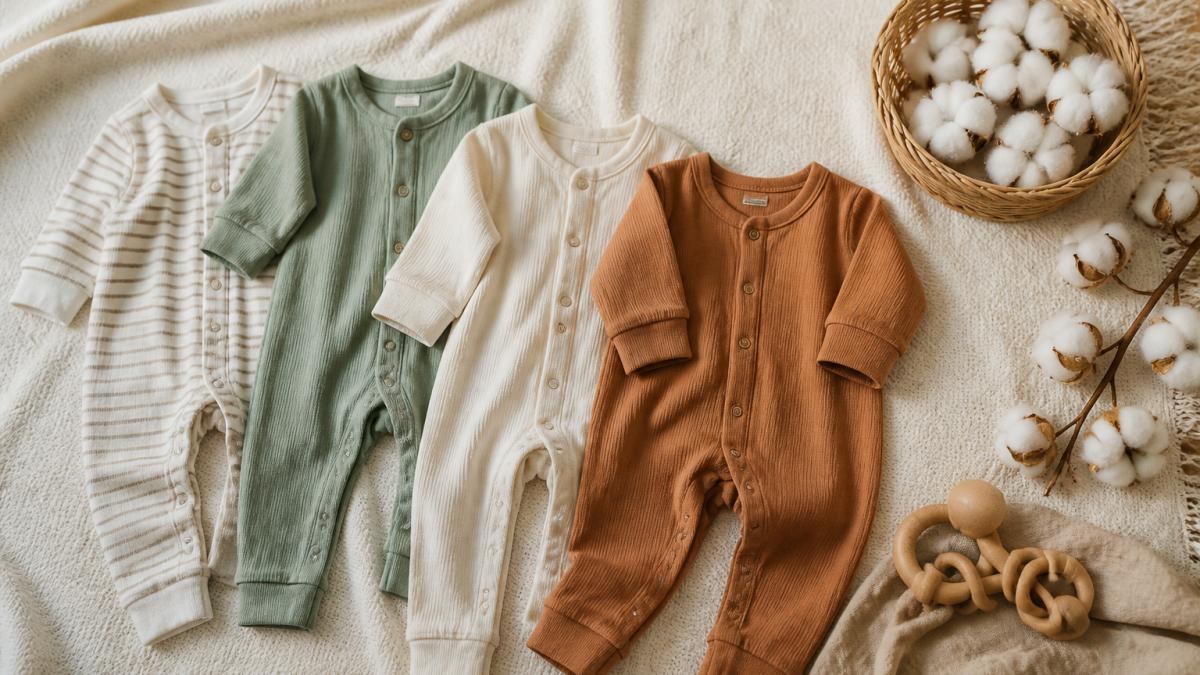
Table of Contents
- Why Organic Cotton Baby Rompers Are Worth the Switch
- Quick Comparison: Best Organic Cotton Baby Rompers at a Glance
- How to Choose the Best Organic Cotton Baby Clothes Brands
- Baby Clothes for Sensitive Skin: What to Look For
- How to Wash Organic Cotton Baby Clothes So They Last
- Seasonal Picks and Everyday Wear for Active Babies
- Common Mistakes Parents Make When Buying Organic Rompers
- Conclusion: Finding the Right Organic Cotton Romper for Your Baby
- Frequently Asked Questions
Last Updated: October 9, 2026
Why Organic Cotton Baby Rompers Are Worth the Switch
If you're searching for the best organic cotton baby rompers, the short answer is this: look for GOTS-certified fabric, a full snap or two-way zipper closure, and a size range that matches your baby's actual weight, not just their age. At Little Madi Co., we've built our romper selection around exactly those three things, because they're what parents tell us actually matter at 3 a.m.
Here's the case for switching. Conventional cotton is one of the most heavily sprayed crops in the world, and residues from synthetic pesticides and harsh dyes can linger in finished fabric. Organic cotton skips those inputs entirely. For a newborn, whose skin is thinner and more absorbent than an adult's, that difference is not abstract. It's the difference between a romper that sits calmly against the skin and one that leaves a red patch behind the snaps.
What GOTS and OEKO-TEX Certification Actually Mean
GOTS (Global Organic Textile Standard) is the leading certification for organic fiber content, and it covers the whole supply chain, from harvesting through dyeing and finishing. To carry the GOTS label, a textile must contain a minimum threshold of certified organic fibers and meet strict limits on chemical processing.
OEKO-TEX Standard 100 works differently. It certifies that a finished textile has been tested for harmful substances and passes those limits, but it does not guarantee the fiber is organic. That distinction trips up a lot of shoppers.
So a romper can be OEKO-TEX certified and still be made from conventional cotton. If organic fiber is your priority, GOTS is the label to check first. You can review the current standards directly through the Global Organic Textile Standard and OEKO-TEX Standard 100 documentation.
Pro Tip
Check the certification number, not just the logo. GOTS-certified products carry a license number you can look up in the public database. Some brands print the logo without a traceable number, which is a sign the claim may not hold up.
Quick Comparison: Best Organic Cotton Baby Rompers at a Glance
Most roundups make you open five product pages to answer one question: which romper actually fits my baby and my routine? This table puts the decision criteria side by side. We compare by the factors that change daily use, fiber content, certification, closure type, size range, and care, rather than by marketing claims.
| Romper Style | Typical Fabric | Certification to Look For | Closure | Size Range (by weight) | Care | Best For |
|---|---|---|---|---|---|---|
| Short-sleeve snap romper | 100% organic cotton | GOTS | Inseam snaps | Roughly 7-25 lb across newborn-12M | Cold wash, low dry | Warm-weather everyday wear |
| Long-sleeve footed romper | 100% organic cotton | GOTS | Full-length snap placket | Roughly 7-25 lb | Cold wash, low dry | Sleep and cooler days |
| Two-way zip romper | Organic cotton + 3-5% elastane | GOTS (fiber) + OEKO-TEX Standard 100 (finish) | Two-way zipper | Roughly 7-30 lb | Cold wash, zip closed, low dry | Active babies, overnight changes |
| Bamboo or lyocell blend romper | Bamboo rayon or lyocell, often with elastane | OEKO-TEX Standard 100 (finish only) | Snaps or zipper | Varies widely by brand | Cold wash, line dry | Hot climates, sensitive skin |
| Convertible gown-to-romper | 100% organic cotton | GOTS | Snap-off bottom | Newborn-6M | Cold wash, low dry | First weeks, frequent night changes |
How to read this table. The column that matters most is certification, because it tells you what is actually being verified. A GOTS label confirms the fiber is certified organic and that processing met chemical limits.
On closures. Inseam snaps are the most common and the cheapest to produce, but a full snap placket means unfastening 8-12 snaps per change. A two-way zipper lets you open from the bottom for diaper access without exposing the chest, which matters on cold nights.
On size ranges. Weight ranges above are typical, not universal. Brands cut patterns differently, so a 12M from one label can fit like an 18M from another. Always check the brand's own weight chart before buying, and treat the age label as a rough guide only.
On care. Every row benefits from the same routine: cold water, gentle cycle, fragrance-free detergent, no fabric softener, and low or line drying. High heat shortens the life of all of them.
Pro Tip
If two rompers look identical but one costs noticeably more, check the certification number and the fiber percentage. The price difference usually tracks certified organic content, seam construction, or closure hardware, not the print.
This table is a starting framework, not a ranking. The right romper for your baby depends on your climate, your changing routine, and how your baby is built. The sections below walk through each factor in detail.
How to Choose the Best Organic Cotton Baby Clothes Brands
The best organic cotton baby clothes brands do three things well: they disclose fabric composition, they carry third-party certification, and they publish a real size chart. Everything else is marketing.
Start by reading the fabric tag before you read the marketing copy. A brand that lists "100% organic cotton" and backs it with a GOTS number is telling you something specific. A brand that says "made with organic materials" is telling you almost nothing.
Fabric Composition: 100% Cotton vs. Blends
100% organic cotton gives you maximum breathability and a soft hand-feel that improves with washing. The trade-off is stretch. Cotton has little natural give, so a pure-cotton romper fits more like a tailored garment than a stretchy one.
Cotton blends add a small percentage of elastane for movement. Bamboo rayon and lyocell are plant-based alternatives that feel silky and drape well, though bamboo rayon involves more chemical processing than most parents assume. Lyocell, made in a closed-loop system, is generally considered the more sustainable of the two.
Watch Out
"Bamboo" on a label often means bamboo rayon, a heavily processed fiber, not raw bamboo. If a brand markets bamboo as automatically eco-friendly, ask how the fiber was processed. The answer matters more than the plant it came from.
Sizing, Fit, and Closure Convenience
Sizing is where most romper purchases go wrong. Brands label by age, but babies of the same age can differ by several pounds. Always shop by weight range first and age second.
For fit, check three things:
- Inseam snaps vs. a full placket: more snaps mean more time on the changing table
- Two-way zippers: let you change a diaper without fully undressing your baby
- Shoulder envelope folds: help you pull a romper down over the body instead of over the head
Closure convenience is the detail most buying guides skip, and it's the one you'll notice daily. A romper with a two-way zipper can cut changing time noticeably compared with one that requires you to unfasten a dozen snaps.
Baby Clothes for Sensitive Skin: What to Look For
Baby clothes for sensitive skin should be free of harsh dyes, tight elastic, and rough seams. The fabric matters, but so does the finish.
Look for undyed or naturally dyed options when possible, flat-lock seams that sit smoothly against the skin, and tags printed directly onto the fabric rather than sewn in. A scratchy tag at the neck can irritate a baby long before the fabric does.
Organic cotton helps here because it's grown without synthetic pesticides and processed with limits on the chemicals used in dyeing. That doesn't make it hypoallergenic, but it removes several common irritants from the equation.
If your baby has a diagnosed skin condition, treat clothing as one variable among many and talk to your pediatrician about the full picture.
How to Wash Organic Cotton Baby Clothes So They Last
Learning how to wash organic cotton baby clothes is mostly about restraint. Hot water, harsh detergent, and high heat are what break down cotton fibers over time.
A simple routine that keeps rompers soft and intact:
- Wash in cold water on a gentle cycle
- Use a fragrance-free, dye-free detergent
- Skip fabric softener, which coats fibers and reduces breathability
- Tumble dry low or line dry
- Wash rompers inside out and close zippers before laundering
- Treat stains promptly with a gentle oxygen-based cleaner
Cold water and low heat do most of the work. Cotton is durable, but repeated exposure to high heat is what causes shrinking, pilling, and faded prints.
Key Takeaway
The single biggest factor in romper longevity is drying temperature. Line drying or tumble drying on low can add months of wear compared with high-heat drying.
Seasonal Picks and Everyday Wear for Active Babies
Season and activity level should drive your romper choice more than style. A lightweight short-sleeve cotton romper handles summer and indoor play, while a long-sleeve version works as sleepwear or a base layer in cooler months.
For active babies, prioritize stretch and secure closures. A romper that rides up or pops open during crawling defeats the purpose. Cotton blends with a touch of elastane hold their shape better through repeated movement, and reinforced snaps resist pulling loose.
For everyday wear, buy a small rotation in neutral colors and a couple of prints. A multi-pack of basics in the next size up means you're never caught short during a growth spurt. Unisex styles in solid colors also make hand-me-downs easier across siblings.
Common Mistakes Parents Make When Buying Organic Rompers
The most common mistake is buying by age instead of weight, which leads to rompers that gap at the neck or bind at the legs. A close second is trusting an organic claim without checking for a certification number.
Other pitfalls we see often:
- Assuming bamboo is always the most sustainable choice
- Buying only newborn sizes and running out within weeks
- Ignoring closure type until the first middle-of-the-night change
- Using hot water and high heat, then wondering why the fabric stiffened
A common mistake is overbuying in a single size. Babies move through sizes faster than most parents expect, so a smaller number of well-chosen rompers in two sizes beats a large stash in one.
Conclusion: Finding the Right Organic Cotton Romper for Your Baby
The best organic cotton baby rompers combine certified organic fabric, a closure that makes changing easier, and a fit that matches your baby's weight. Get those three right and everything else, from prints to price, becomes a preference rather than a gamble.
At Little Madi Co., we've built our collection around comfort, safety, and dependable quality, with a carefully curated range of baby essentials that supports every milestone from newborn days to toddler adventures. Our rompers are chosen to make everyday parenting easier, and our focus on thoughtful selection means you're not sorting through guesswork to find what works.
Get started with Little Madi Co. and find rompers for your baby.
Frequently Asked Questions
What should I look for when buying an organic cotton baby romper?
Check for GOTS or OEKO-TEX certification on the label, which confirms the fabric meets organic and safety standards. Look for 100% organic cotton or a cotton blend with lyocell or bamboo rayon for extra softness. Snap closures at the crotch and inner leg make changing easier. Also check the size range and whether the romper has a little stretch for active babies.
Are organic cotton rompers suitable for babies with sensitive skin?
Yes. Organic cotton is grown without synthetic pesticides and processed without harsh dyes or chemical finishes, which reduces irritation risk for delicate skin. GOTS-certified rompers also restrict the chemicals allowed during processing. For babies with eczema or very sensitive skin, choose fragrance-free, dye-free options and wash before first wear to remove any residue from manufacturing or shipping.
How do you wash organic cotton baby clothes?
Turn rompers inside out and wash in cold water on a gentle cycle with a mild, fragrance-free detergent. Skip fabric softener and bleach, which break down cotton fibers. Tumble dry on low or lay flat to air dry. Hot water and high heat cause shrinkage and fade prints faster. Treat stains promptly with a gentle stain remover before washing.
Is organic cotton better for babies than regular cotton?
Organic cotton is grown without synthetic pesticides and processed with fewer harsh chemicals, making it a safer choice for a baby's delicate skin. It is also softer and more breathable than conventional cotton in many cases. GOTS-certified organic cotton verifies the entire supply chain, from farming to finishing, so you know exactly what touches your baby's skin.

