

Cart
0
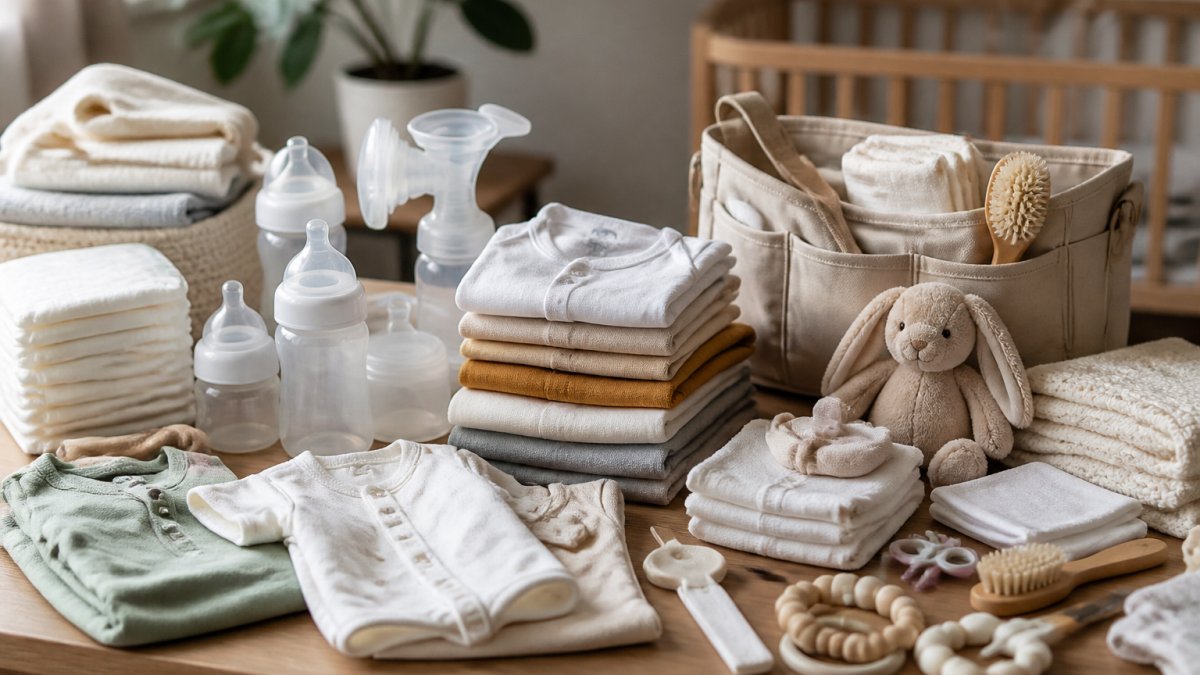
Table of Contents
- What You Actually Need vs. What Can Wait
- Newborn Clothes Checklist: Quantities and Safety Standards
- Newborn Sleep Essentials: Safe Sleep Setup
- Feeding and Diapering Supplies
- Hospital Bag Checklist for Baby
- Newborn Baby Checklist: Bathing, Health, and Gear
- Budget Tiers and Small-Space Solutions
- Frequently Asked Questions
Last Updated: October 11, 2026
What You Actually Need vs. What Can Wait
New parents face an overwhelming wall of products. Marketing promises that each one is essential. The reality is simpler: some items genuinely matter for your newborn's safety and comfort. Others are nice to have but not necessary. At Little Madi Co., we help families distinguish between the two so you can prepare without overspending or cluttering your space.
The newborn essentials checklist for 2026 focuses on what your baby actually needs in those first weeks and months. Sleep safety, feeding supplies, clean clothing, and diaper management are non-negotiable. Everything else can wait until you see what your family actually uses.
Start by prioritizing items in three categories: must-haves before birth, nice-to-haves you can grab later, and honestly-skip-this items that won't serve you. This approach saves money, reduces decision fatigue, and lets you focus on what matters: bonding with your newborn.
Pro Tip
Buy your core newborn essentials checklist items 4-6 weeks before your due date. This gives you time to receive shipments, wash items, and organize without rushing. Last-minute panic buying leads to duplicates and wasted money.
Newborn Clothes Checklist: Quantities and Safety Standards
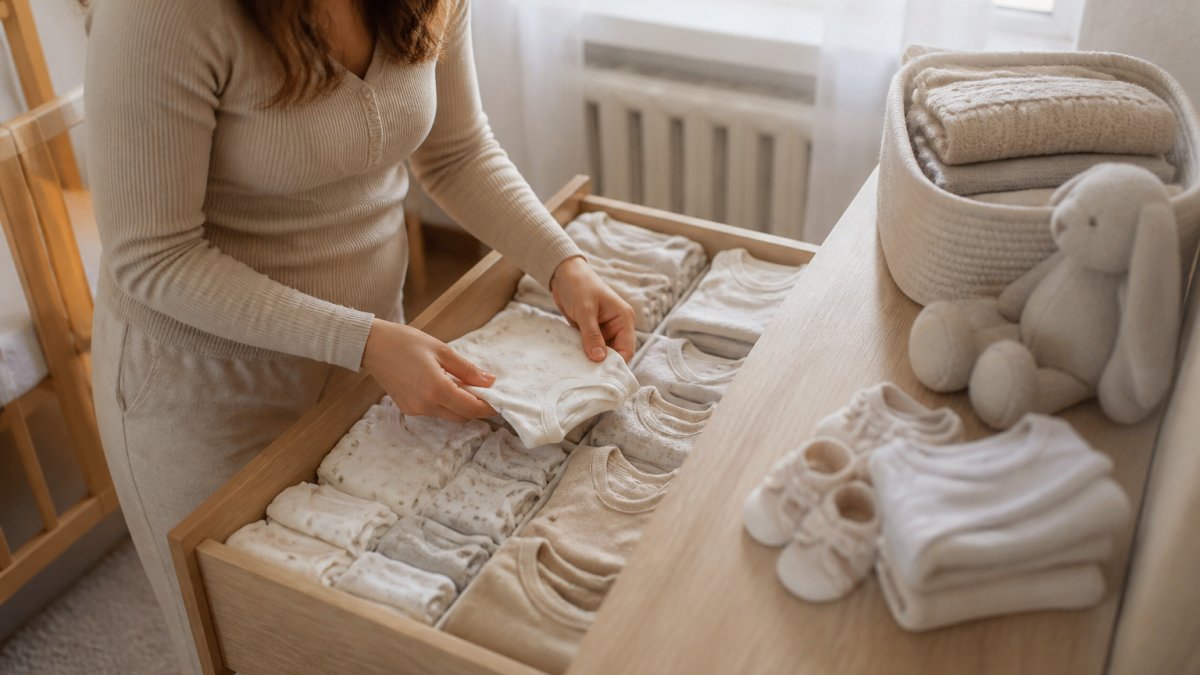
Your newborn needs clothing that's soft, safe, and sized correctly for rapid growth. Most babies outgrow newborn sizes within 4-8 weeks, so avoid buying too many single-size pieces.
Core Clothing Quantities (Weekly Laundry)
Adjusted Quantities for Bi-Weekly Laundry or High-Spit-Up Situations
If you wash every 14 days or your baby frequently spits up (common in the first 8 weeks), increase onesies to 10-12, sleepsuits to 6-8, and long-sleeve bodysuits to 6-8.
Seasonal Adjustments
- Winter births (November-March): Add 2-3 additional long-sleeve bodysuits, 2 extra cardigans, and thicker socks or booties. Newborns born in cold months need more layering options because they cannot regulate body temperature effectively.
- Summer births (June-August): Reduce long-sleeve pieces to 1-2 and prioritize short-sleeve onesies (8-10). Include 2-3 lightweight sleep sacks instead of heavier swaddles. Overheating is a documented risk factor in warm climates.
- Spring/Fall births (April-May, September-October): Use the base quantities above; these seasons allow flexible layering.
2026 Safety Standards and Recall Verification
All newborn clothing should meet Infant Class A safety standards, which means the fabric has been tested for flammability and chemical safety.
Before purchasing, verify that items comply with current standards by:
- Checking the product label for "meets Infant Class A standards."
- Searching the product name and model number on SaferProducts.gov to confirm no active recalls.
- Reviewing the manufacturer's care instructions to ensure they align with your laundry routine, some items shrink significantly or require special handling.
Little Madi Co.'s Pure Cotton Newborn Baby Gift Set includes seven pieces of Class A certified cotton clothing designed specifically for newborns, starting at $20.78.

Avoid clothing with loose buttons, decorative beads, or long drawstrings that pose choking or entanglement hazards. Sleepsuits with built-in feet are safer than separate socks because they stay on during sleep and reduce the risk of loose fabric in the crib.
Watch Out
Never use loose blankets, bumpers, or pillows in a crib with a newborn. These items increase the risk of suffocation. Instead, use fitted sheets and sleepsuits designed for safe sleep. Check SaferProducts.gov before your due date to confirm no recalls on items you've already purchased.
Newborn Sleep Essentials: Safe Sleep Setup
Safe sleep is the foundation of your newborn essentials checklist. Your baby needs a firm, flat sleep surface, either a crib, bassinet, or play yard that meets current safety standards. Bassinets are convenient for the first 3-6 months because they fit beside your bed, supporting responsive nighttime care.
Outfit your sleep space with fitted sheets designed specifically for your crib or bassinet (never use adult-sized sheets), a firm mattress, and a waterproof mattress protector. Skip the decorative pillows, blankets, bumpers, and sleep positioners. These increase suffocation risk and aren't necessary for safe sleep.
A swaddle blanket helps newborns feel secure and can reduce startle reflexes during early sleep. Little Madi Co.'s Baby Swaddle Blanket in soft cotton works for both daytime comfort and nighttime swaddling, priced at $22.32. Alternatively, sleep sacks or wearable blankets eliminate the need for loose bedding while keeping your baby warm.

A baby monitor with video and sound allows you to respond quickly while giving you peace of mind during sleep. Keep the room between 68-72°F and dress your baby in sleep clothing appropriate to room temperature.
Feeding and Diapering Supplies
Feeding and diapering are your highest-volume expenses in the first months. Smart prioritization and timing can reduce waste and overspending.
What to Buy Before Birth vs. After Birth
Before birth (4-6 weeks prior):
- Bottles and nipples (even if planning to breastfeed exclusively, have 4-6 on hand for emergencies or expressed milk)
- Bottle sterilizer or dishwasher-safe baskets
- Diaper pail with odor control
- Changing pad and dresser or changing table
- Newborn and size 1 diapers (start with one box of each to test fit; babies vary in size)
After birth (once feeding method is established):
- Breast pump (if breastfeeding and planning to return to work; rent a hospital-grade pump first to confirm you need one)
- Breast milk storage bags
- Wipes warmer (optional; many parents skip this)
- Diaper cream (use only if diaper rash develops; not needed preventatively for most babies)
Breastfeeding Supplies
If breastfeeding, you'll need nursing bras (2-3, prioritize comfort over style in the first weeks), breast pads to prevent leaking, lanolin or nipple cream, and a manual or electric breast pump if you plan to express milk. A manual pump costs $25-50 and works well for occasional use; electric pumps range from $150-$300+ for double-electric models.
Bottle-Feeding Supplies
Pure Cotton Newborn Baby Gift Set →
For bottle-feeding, plan for 8-10 bottles initially (even if breastfeeding, bottles are useful for expressed milk or formula). Newborns typically use 8-12 bottles daily when exclusively bottle-fed, so having 10-12 on hand reduces washing frequency. Include bottle brushes, a sterilizer or dishwasher-safe baskets, bottle drying racks, and several types of nipples since babies have preferences.
Diapering Quantities and Costs
Newborns need 8-12 diaper changes daily in the first weeks, declining to 6-8 by 3 months. A newborn uses roughly 2,500-3,000 diapers in the first year. Budget-conscious parents can reduce costs by:
- Buying diapers in bulk from warehouse clubs (often $0.15-0.20 per diaper vs. $0.25-0.35 at retail)
- Using cloth diapers part-time (laundry-intensive but cost-effective long-term)
- Waiting to buy size 1 diapers until your baby is clearly outgrowing newborn size (typically 8-12 weeks)
Diapering Setup
Diapering supplies include a changing table or dresser with a changing pad, diaper pail for odor control, wipes warmer (optional but comforting for nighttime changes), diaper cream for prevention or treatment, and a diaper bag for outings.
Pro Tip
Buy one box each of newborn and size 1 diapers before birth to test fit. Babies vary in size; some skip newborn entirely and go straight to size 1. Avoid buying in bulk until you confirm which size and brand work best for your baby.
Hospital Bag Checklist for Baby
Pack your hospital bag 2-3 weeks before your due date. For your baby, include 4-5 newborn-sized onesies, 4-5 newborn-sized sleepsuits, 2-3 pairs of socks, 2 hats, 1-2 mittens, a going-home outfit in both newborn and 0-3 month sizes, a sleep sack or swaddle blanket, and a light jacket. Bring items from Little Madi Co. if you prefer their quality and fit.
Include feeding supplies: bottles and nipples if bottle-feeding, nursing pads and bras if breastfeeding. Pack toiletries like a soft washcloth, mild soap, and diaper cream. Bring copies of important documents, your insurance card, and a list of emergency contacts.
Don't overpack. Hospitals typically provide diapers, wipes, and basic toiletries. Bring only what makes you feel prepared and comfortable.
Key Takeaway
Your hospital bag should feel reassuring, not overwhelming. Focus on items that make you feel ready: comfortable clothing for your baby, feeding supplies you trust, and one or two comfort items that matter to you personally.
Newborn Baby Checklist: Bathing, Health, and Gear
Bathing supplies are minimal for newborns. You need a baby bathtub or sink insert, soft washcloths, mild baby soap, and warm water. Avoid adult body washes and shampoos, newborn skin is sensitive and needs gentle, fragrance-free products.
For health and safety, keep a thermometer, infant pain reliever (as recommended by your pediatrician), saline nasal drops, and a humidifier for dry air or congestion. A nail clipper designed for infants helps prevent scratching. Stock basic first-aid supplies: sterile gauze, and bandages.
Gear essentials include an infant car seat (required to leave the hospital), a stroller for outings, and a baby carrier or wrap for hands-free carrying. These items support your mobility and your baby's safety during transport.
A white noise machine helps newborns sleep by masking household sounds. A nightlight with adjustable brightness reduces disruption during nighttime care. These small items make a real difference in early parenting.
Budget Tiers and Small-Space Solutions
If you're budget-conscious, focus your spending on sleep safety, feeding, and clothing. A quality crib, firm mattress, fitted sheets, and safe sleepwear cost around $300-500. Feeding supplies (bottles, breast pump, or nursing gear) add $150-300. Clothing and diapering supplies complete the essentials for $200-400.
For small spaces, choose a bassinet instead of a full crib (it takes less room and serves for 3-6 months), use a compact changing pad that sits on top of a dresser, and store clothing in under-bed organizers.
Little Madi Co.'s gift sets bundle essentials together affordably. The Baby Cotton Clothing Gift Set with 18-22 pieces starts at $84.47, giving you a complete wardrobe foundation without shopping piece-by-piece.

| Budget Level | Core Items | Estimated Cost | Best For |
|---|---|---|---|
| Minimal | Crib, mattress, sheets, basic clothing, diapers, bottles | $650-900 | Tight budgets, second babies |
| Moderate | Above plus monitor, stroller, car seat, feeding gear | $1,200-1,800 | Most first-time parents |
| Comprehensive | Above plus nice-to-haves: swaddles, multiple carriers, premium bedding | $2,000+ | Parents with flexibility |
Preparing for your newborn doesn't require buying everything in sight. A focused newborn essentials checklist for 2026 prioritizes safety, comfort, and practicality. Start with sleep safety, feeding supplies, clean clothing, and diapering gear. Everything else flows from those foundations.
Little Madi Co. makes this easier by curating high-quality newborn essentials that you can trust. Our carefully selected clothing, swaddles, and gift sets are designed with both babies and parents in mind.
Frequently Asked Questions
What do I absolutely need for a newborn essentials checklist?
Focus on the basics: 5-7 onesies and rompers, 2-3 sleepsuits, fitted sheets for your crib or bassinet, a safe sleep space, diapers, wipes, feeding supplies (bottles or nursing items), and a car seat for hospital discharge. Everything else builds from these core items. Many first-time parents buy far more than needed; start minimal and add based on what your newborn actually uses.
How many newborn outfits do I need?
Plan for 5-7 onesies or rompers in newborn and 0-3 month sizes, plus 2-3 sleepsuits for nighttime. Newborns change clothes frequently due to spit-up and diaper incidents, but laundry every 2-3 days keeps you supplied. Cotton options like the Pure Cotton Newborn Baby Gift Set ($20.78) or Newborn Baby Solid Color Romper ($9.83) are safe for sensitive skin and wash well. Avoid overdoing it, babies outgrow newborn sizes quickly.
What should I pack in a hospital bag for a newborn?
Pack 3-4 newborn and 0-3 month onesies, 2 sleepsuits, socks, a going-home outfit in two sizes, swaddle blankets, a hat, and mittens. Include feeding supplies (bottles and nipples if bottle-feeding, nursing bras if breastfeeding), diaper cream, and toiletries. Bring copies of insurance cards and ID. Most hospitals provide diapers, wipes, and some bedding, so confirm what they supply before packing.
What are the 2026 safety standards for newborn sleep essentials?
Use a firm, flat sleep surface like a crib, bassinet, or play yard that meets Consumer Product Safety Commission standards. Fitted sheets only, no pillows, blankets, bumpers, or positioners. Check for product recalls on the CPSC website before purchase. Avoid secondhand cribs unless you verify they meet current safety standards and have no recalls.
Can I skip certain newborn essentials to save money?
Yes. Skip wipe warmers, bottle sterilizers (hot soapy water works), fancy nursery décor, and excessive clothing. You can wait on toys, high chairs, and specialty gear until your baby is older. Focus spending on safe sleep, clothing made from gentle fabrics, and reliable feeding supplies. Budget-friendly options like rompers at $8-10 each give you quality basics without overspending.
What newborn essentials are safe for sensitive skin?
Choose 100% cotton clothing rated Infant Class A, which meets strict safety and comfort standards for sensitive skin. Avoid synthetic blends and heavy dyes. Little Madi Co.'s Pure Cotton Newborn Baby Gift Set and cotton rompers are made from gentle fabrics suitable for newborn skin. Wash new clothes before use, use fragrance-free detergent, and avoid fabric softeners that can irritate delicate skin.

